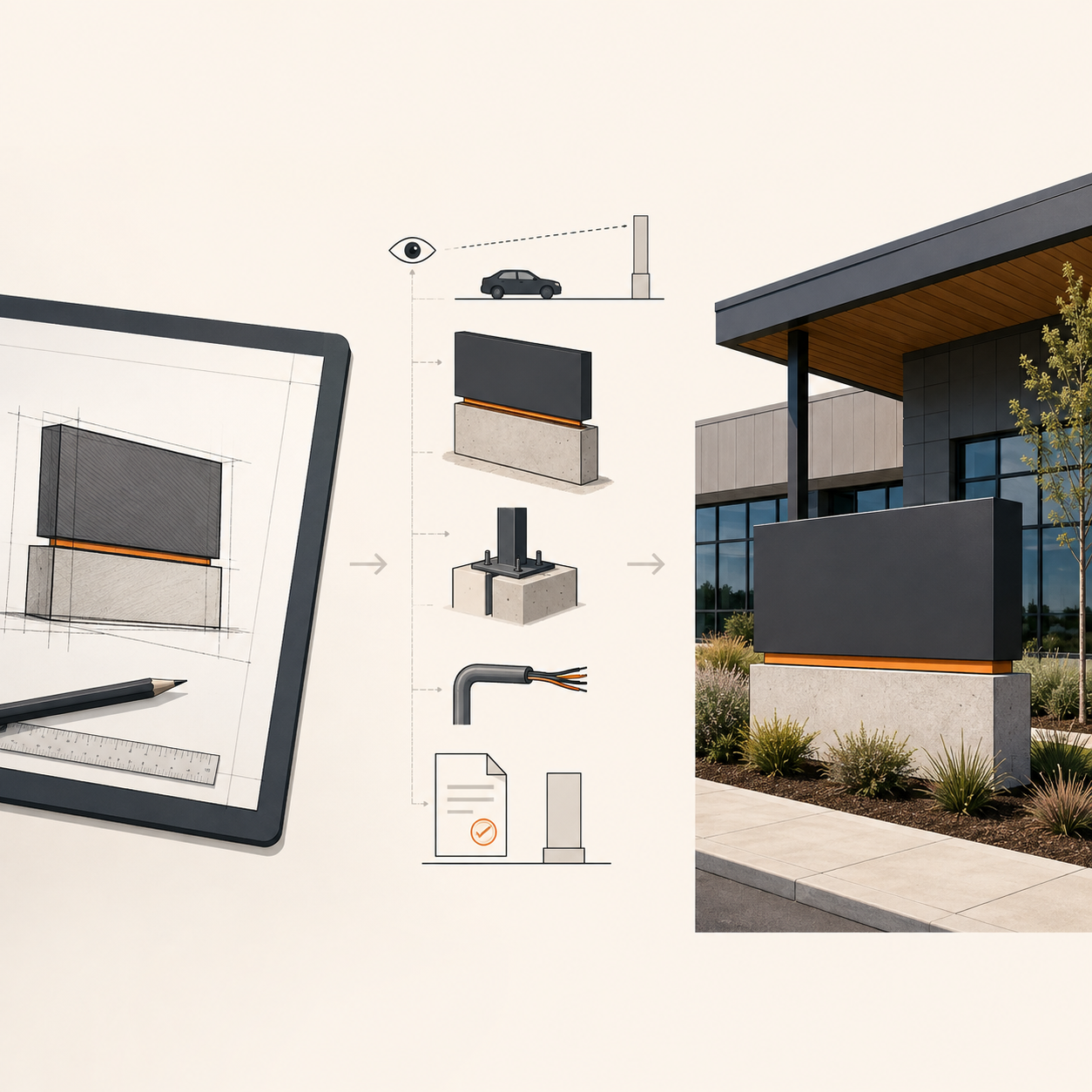
Most Sign Problems Begin Long Before Fabrication

The 40-Hour Paycheck Does Not Need a 40-Hour Week
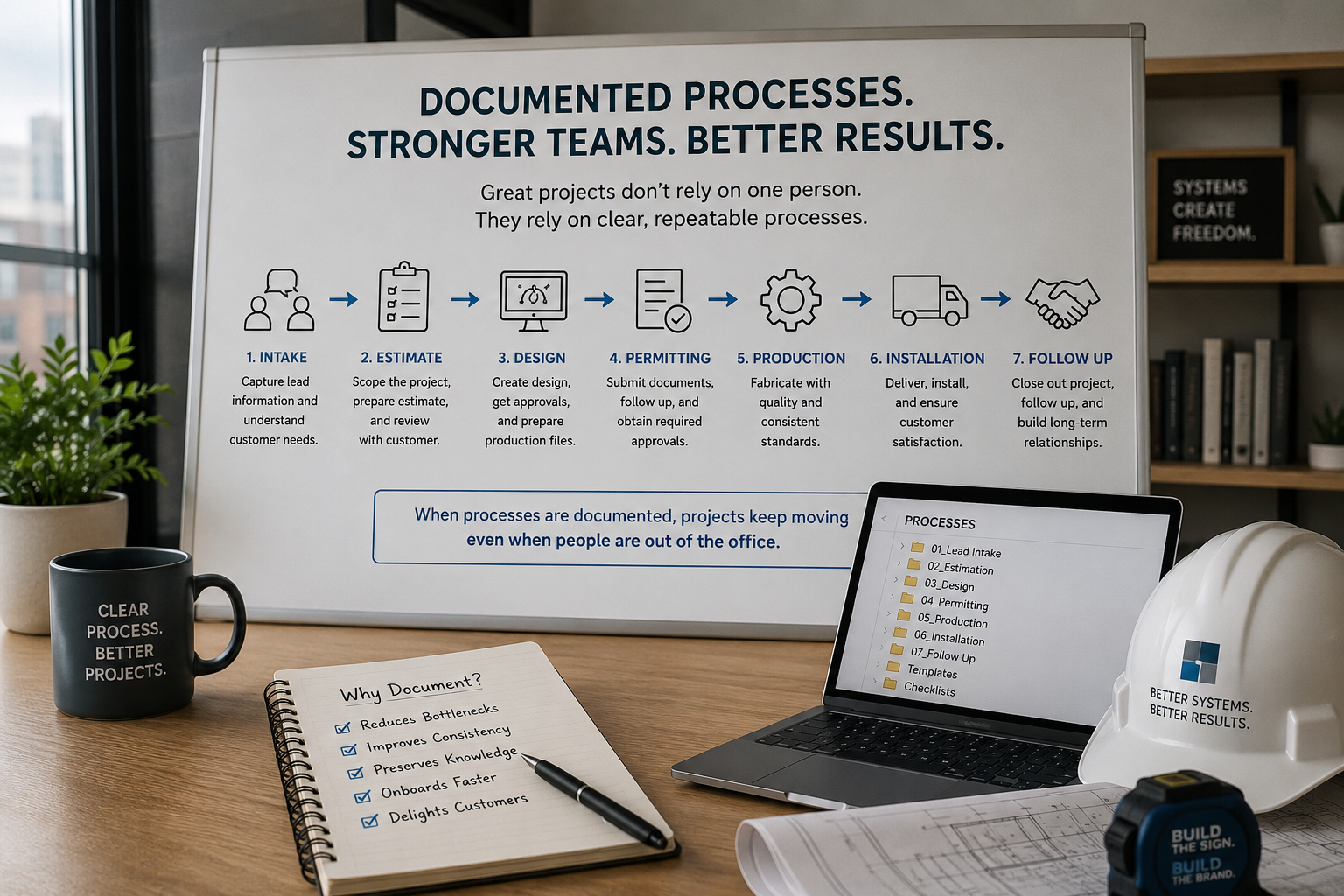
Why Documented Processes Matter More Than Ever
Learn how documented processes reduce bottlenecks, preserve knowledge, improve consistency, and help businesses operate more efficiently when team members are away.
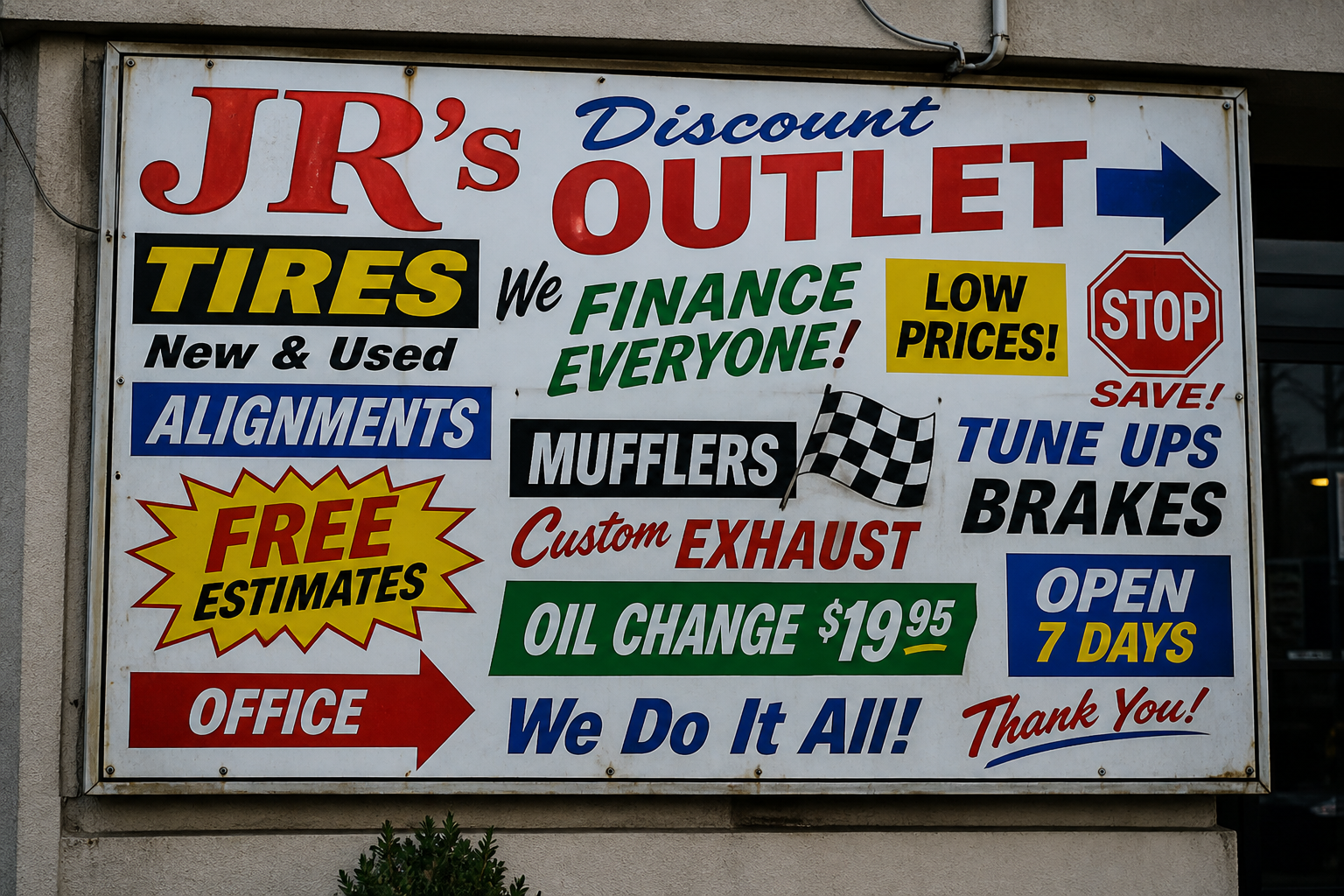
“Nothing Fuels the Sign Industry Like Confident People With No Understanding of Design”
Everyone notices bad design instantly.
They just usually cannot explain why.
A sign feels cheap. A space feels confusing. A storefront gets ignored. Most people blame taste when the real issue is structure, hierarchy, readability, spacing, psychology, and communication.
Especially in signage, design is not decoration. It is problem solving under real-world conditions.
The strange part? The better the designer is, the less people notice the work at all.
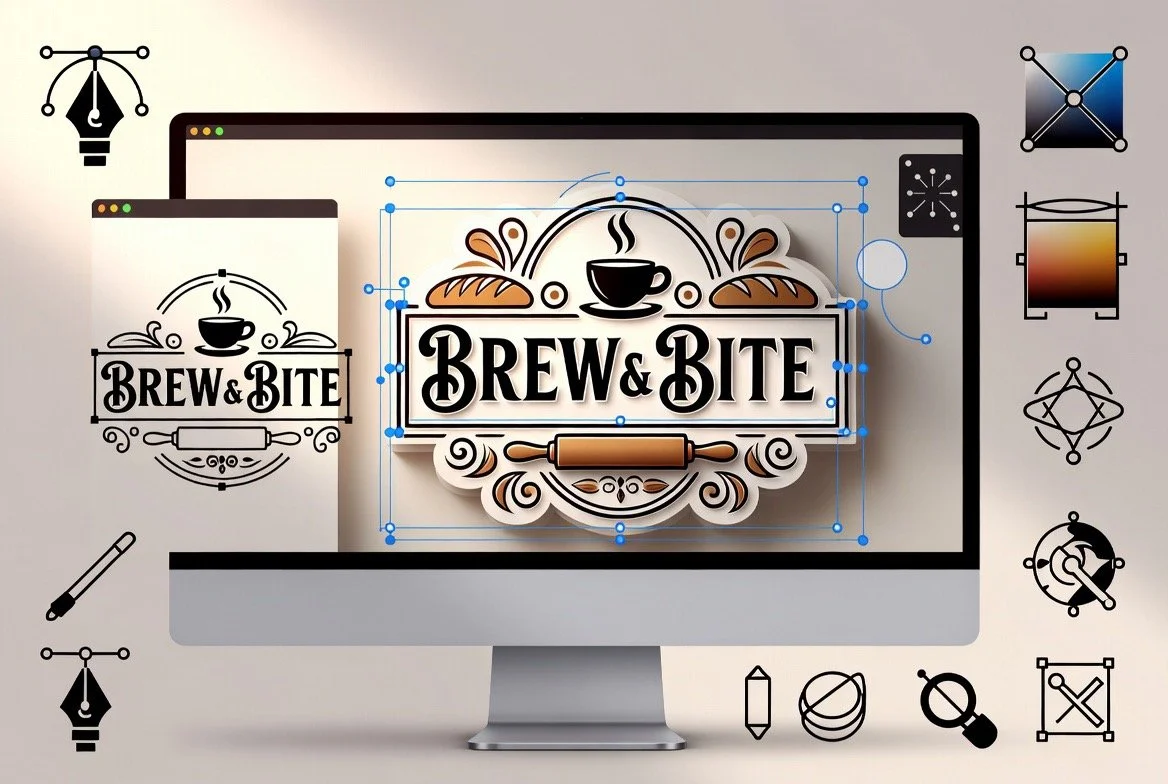
Why Production-Ready Vector Artwork Still Matters
Most “vector conversions” are not actually production-ready. AI tools and auto-trace software can create quick results, but they still struggle with precision, scalability, and real-world production demands. This article breaks down why clean vector artwork still matters, what editable production files actually do, and how proper brand assets can eliminate costly bottlenecks later.

Why a Bad Sign Usually Starts with a Good-Looking Plan
Make Your Space Work for You
Permitting: The Alien in the Project Timeline

Why Good Signage Is a Business Multiplier (Not a Cost)

What Architects Wish Sign Designers Understood (and Vice Versa)

Design Firm or Sign Shop?
Red Flags in Beginner Designers on LinkedIn
A practical guide to spotting red flags in beginner designers on LinkedIn. Learn how to evaluate portfolios, mockups, print knowledge, and real-world production skills before hiring a designer.
Why Cheap Signage Often Becomes the Most Expensive Option
Low-cost signage often leads to poor materials, bad installs, and rework. Learn why “cheap” signs cost more in the long run and how to avoid the trap.

Why Most Signage Designs Fail After Installation (And How to Prevent It)